Regardless of your situation, we can take the stress out of the entire process.
Whether you are at the other end of the city, living in another state, or even living overseas – we can do the dirty work for you.
That’s right. We will take care of everything.
Before going to market
We will prepare your property for sale which could include organising trades such as:
painter
plumber
electrician
handyman
cleaner
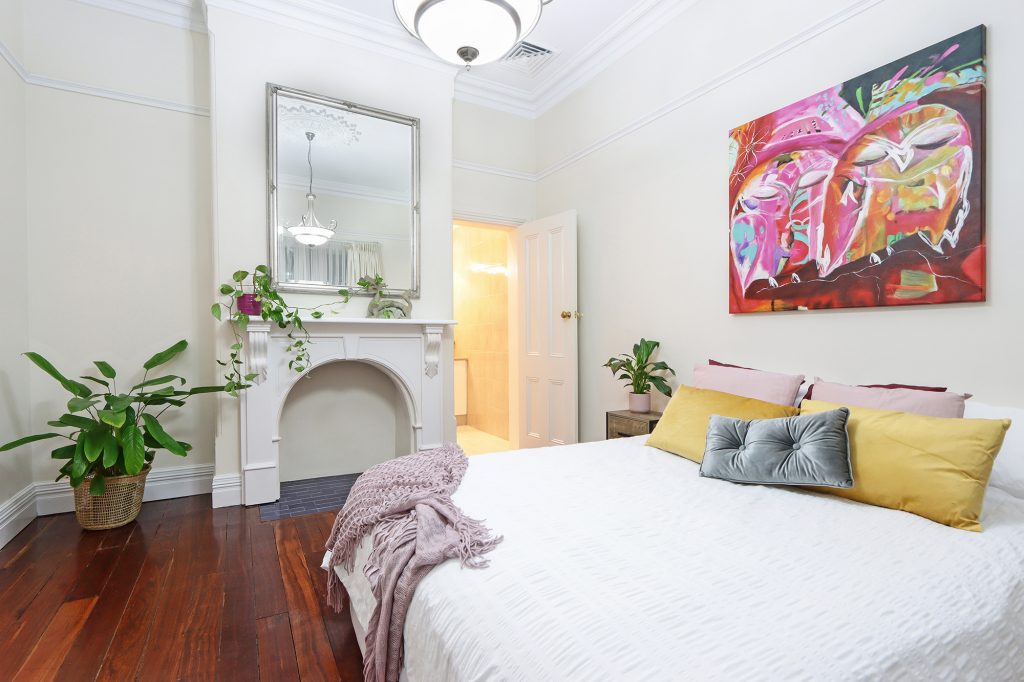
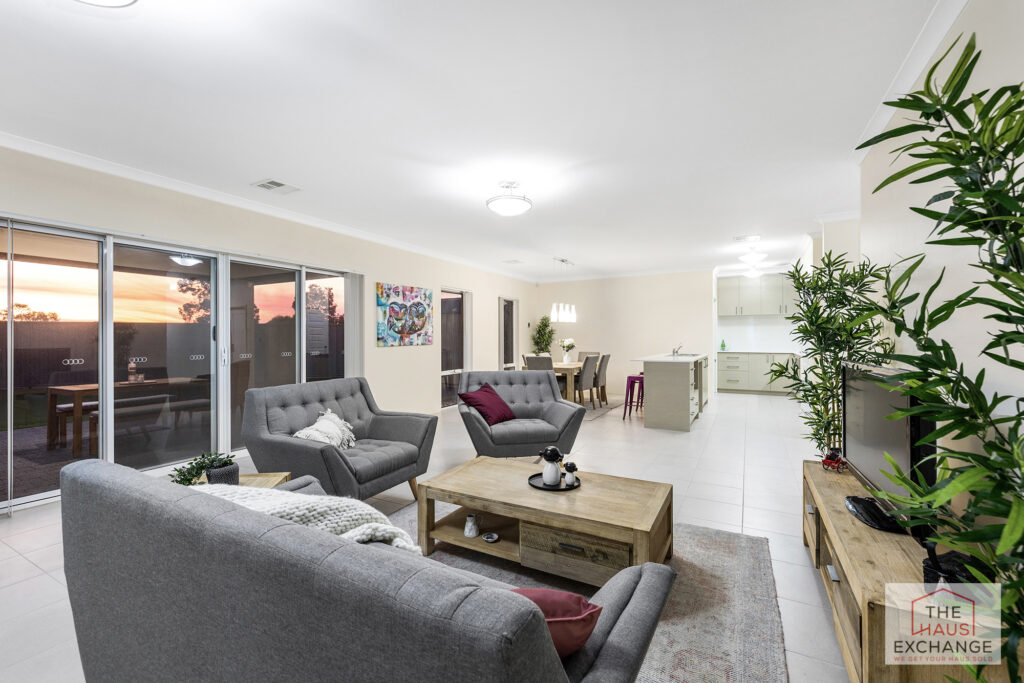
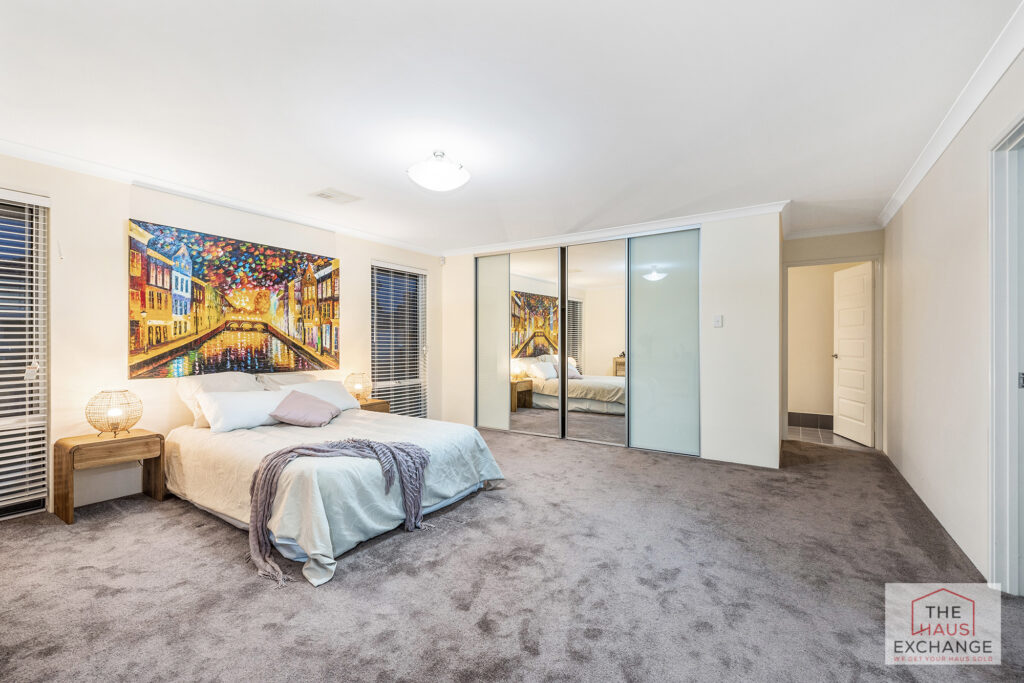
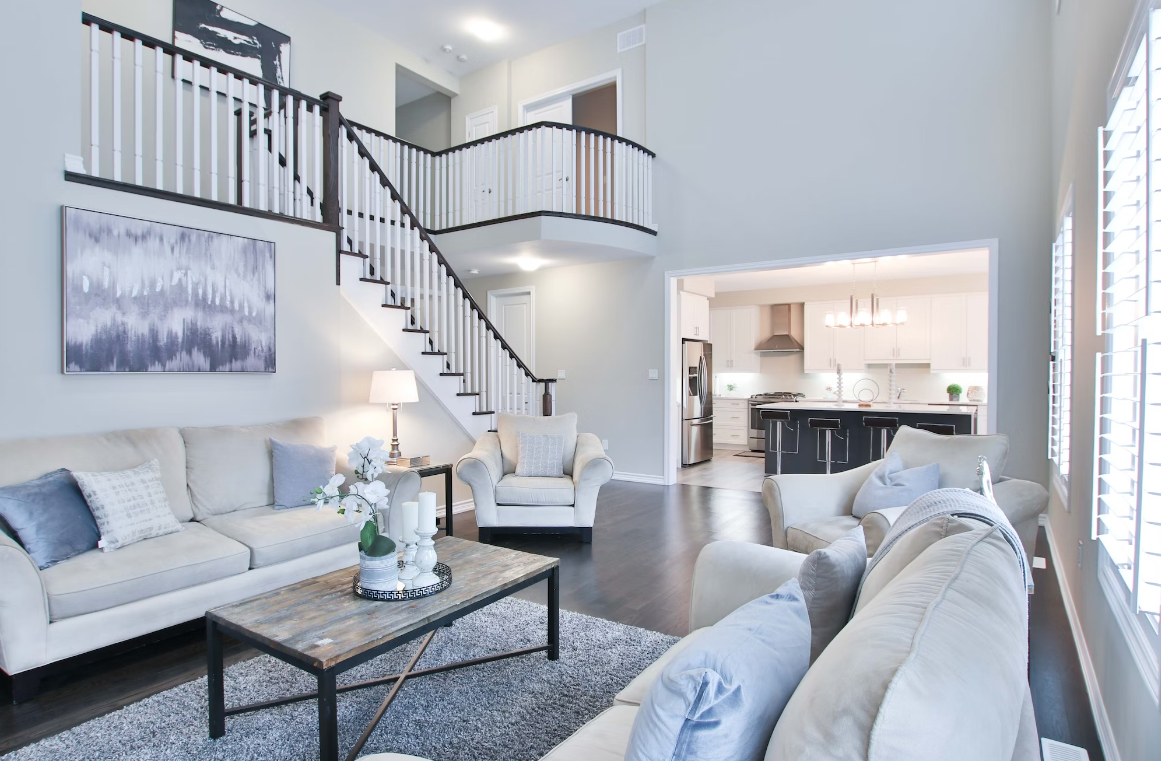
even FREE staging and styling of the property
Marketing your property and negotiating
When it comes to marketing the property for sale, we are experts in generating urgency and competition for your property to ensure that you get the best possible price.
Post Sale
Finally, post sale we will continue to sort out all the practical stuff including organising the settlement agent and any final inspections so you won’t have to lift a finger.
Just sit back and relax while our experts do it all.
Watch this 1 minute video below where Rasmus from The Haus Exchange explains exactly how the process works.
Now that you’ve watched the video you may be wondering what’s next.
Our team of experts will guide you on this journey. From staging to styling and everything in between. We can help sell your property remotely. Your first step is simple. Contact us today to get the ball rolling.
Promoting your property is an essential part of achieving a successful sale. The Haus Exchange are experts at marketing properties to achieve outstanding sales results and we have repeatedly achieved more online views of our properties over all our competitors with the independent data to prove it!
The Haus Exchange always excels at real estate marketing for one simple reason: we get results.
Here’s how:
1.Strategic Planning: We work with you to create a comprehensive marketing plan that covers all bases – from online listings to social media ads, ensuring maximum exposure for your property.
2.Multi-channel Approach: We leverage various channels, including social media retargeting, to reach a wide audience and generate leads.
3.Professional Presentation: With professional photography, drone and accurate floor plans, we ensure your property stands out from the crowd online.
4.Digital Dominance: We harness the power of digital marketing, including targeted ads and social media, to attract potential buyers and drive sales.
5.Signboard Power: We don’t overlook traditional methods – our street-side signboards are designed to catch the eye of local buyers.
6.Styling Expertise: Our complimentary Haus Concierge service will transform your property, enhancing its appeal and increasing its market value and this includes free staging and styling!
With The Haus, your property is in good hands as we will ALWAYS treat your property as if it was our own!
The cost of home staging in Perth can differ greatly depending on what type of property it is. The good news is that it could be less than you think.
Home staging in Perth
As an experienced Perth real estate agent, I am often asked about whether home staging and styling is necessary for selling a house in this market. My answer is simple: These days, the reality is that you can’t afford not to style and stage your property for sale! There is a definite correlation between staging your home and the end result — the sale price and time on market. But more on that later.
First…what is home staging and styling?
First of all, let’s start by talking about what home staging and styling actually is.
In essence, it’s just about dressing your home up to look its best, so that it appeals to as many Perth property buyers as possible.
In some properties, you can achieve this with just a little bit of decluttering and tidying. However, in many cases, vendors use a dedicated home staging service like the Haus Concierge to decorate the whole house with furniture and accessories, showing buyers just how easily they could live there in style.
Home staging & styling is also perfect for empty or investment properties as some buyers can have a hard time visualising how they might live in a property without cues like furniture and accessories. Having a fully styled property means that they don’t have to think about this at all, as instead, they can immediately picture themselves moving right on in.
In the end, it is really all just about showcasing and targeting your property in its best light to potential buyers. Professional home staging makes the photos look fantastic, meaning that more buyers will want to come and view it in person. It could be the difference between a buyer choosing to put their time into visiting your home open over another Perth property listing!
The advantages of home staging & styling in Perth
The advantages of property styling or home staging is that a well presented and properly staged home:
Stands out from the competition as it always looks more appealing
Helps potential buyers visualise what they can do with different spaces in a home
Accentuates spaces, updates the look of a property, and warms up empty or cold-looking spaces
Makes the most of those all-important first impressions.
So are there any downsides to home staging for vendors?
In my view, the only downside to staging is the cost, so let’s talk about that.
Much of the total property staging cost depends on how much furniture you need to hire and how many rooms you want to stage. Sometimes, the whole house needs to be staged. For some, it might just need a little bit of added flair here and there.
A full-service home stylist will usually charge for an initial consultation and you will also be up for the hire of furniture and accessories for the duration of the sales campaign (generally five to six weeks).
Current 2023 prices for property staging in Perth range from $2,000 to $10,000 depending on the size of the property, what you need and how long the sales campaign goes for.
To give you an idea of how much a full home staging package could cost you in Perth for a typical sale period of six weeks, expect to pay in the region of:
$1,995 for a one bedroom home
$2,500 for a two bedroom home
$4,500 for a three bedroom home
$6,500 for a four bedroom home
$10,000 or more for larger homes with five or more bedrooms
How to save on home staging & styling of your property
If this cost is too much, you could also engage the services of a virtual styling company. This is a company that will add digital furniture to your property photos so that those viewing the property online can still get some help visualising how the property would look if it was fully styled and furnished.
Virtual home styling can sometimes be a good option if the cost of full styling and staging is outside of your budget but, in my experience, buyers do still prefer to see real furniture and furnishings when they view the property in person. It is always the best way to generate an emotional buying response.
The most cost effective home staging solution in Perth
Alternatively, if your property is located in Perth, you could also take the very easy and the most cost effective approach of engaging our own styling and staging team at The Haus Exchange.
As part of our one stop shop property sales service, we offer free home styling and staging to all of our sales clients with our Haus Concierge service.
This service is always complimentary for our clients no matter how big or small your property is and no matter what your requirements are, you only pay a small fee for delivery!
Some examples of Perth properties that The Haus Exchange has fully styled and staged and, most importantly, SOLD are shown here.
We treat each property on an individual basis and select the best mix of furniture, plants and accessories to showcase it at its best. If you would like to request a complimentary home styling assessment and appraisal, just contact us or call 0466 725 866.
Does home staging affect your home’s sale price?
Over the past 10 years, home staging has become the norm in the Perth real estate market. Most local property experts agree that good property staging and styling canadd an extra 5 to 10 per cent to a property’s sale price.
So whether you are weighing up choosing a vendor with complimentary a home staging service like our Haus Concierge service, or investing in another professional home styling option, calculate the value of up to 10 per cent of your expected home sale price and see if you think it is worth the investment.
In my opinion, the real question is — can you afford not to stage your property?
If you would like to know more about how we can help you, just get in touch below or call 0466 725 866.
Request a home staging and property appraisal now!
In today’s world, energy efficiency and sustainability have become more than just buzzwords; they are essential aspects of modern living. Homeowners are increasingly looking for ways to reduce their carbon footprint while simultaneously enhancing the value of their homes. This is where electric investments come into play, and they can make a significant impact on both your wallet and the environment. In this article, our home staging expert in Perth will explore some electric investments that can add substantial value to your home, including Tesla products, solar panels, EV chargers, and home batteries.
1. Solar Panels: Harnessing the Power of the Sun
Solar panels are a fantastic investment for homeowners who want to reduce their reliance on conventional energy sources and lower their electricity bills. These photovoltaic panels convert sunlight into electricity, which can be used to power your home. Not only do they provide sustainable energy, but they can also significantly increase the value of your property.
Solar panels not only reduce your monthly utility bills but can also generate excess electricity that can be sold back to the grid in many regions. This not only offsets your energy costs but can potentially generate additional income. Plus, solar panels are known to boost the resale value of a home. According to a study by the Lawrence Berkeley National Laboratory, homes equipped with solar panels tend to sell faster and at higher prices.
2. Tesla Powerwall: Storing Solar Energy for Later Use
While solar panels are an excellent source of clean energy during the day, what about when the sun isn’t shining? This is where the Tesla Powerwall comes in. This innovative home battery stores excess energy generated by your solar panels during the day and allows you to use it at night or during power outages.
The Tesla Powerwall not only provides energy security but also adds value to your home by making it more self-sufficient and resilient. Homebuyers increasingly appreciate homes that come equipped with backup power solutions, and the Powerwall can be a significant selling point.
3. EV Charger: Preparing for the Electric Vehicle Revolution
The electric vehicle (EV) revolution is well underway, and it’s essential for homeowners to be prepared. Installing an EV charger in your home is not only a convenient addition but also an investment that adds significant value to your property.
Tesla, a leader in electric vehicles, offers the Tesla Wall Connector for home charging. This high-powered charger can replenish your Tesla’s battery quickly, providing a full charge overnight. Having an EV charger in your home means you won’t have to rely solely on public charging stations, making EV ownership even more convenient.
Future homebuyers are likely to prioritize properties with EV charging infrastructure, as electric vehicles become increasingly common. So, installing a Tesla Wall Connector or any other EV charger can increase your home’s desirability and market value.
4. Battery for the Home: Security and Independence
Beyond the Tesla Powerwall, there are various other home battery solutions available that can add value to your property. These batteries provide backup power during outages and can optimize your energy usage, saving you money over time.
Having a home battery system demonstrates preparedness for unforeseen events and can attract buyers who prioritize energy resilience. It also allows you to take advantage of time-of-use electricity pricing, storing electricity when it’s cheaper and using it when rates are higher.
5. Combining Solar Panels, Home Batteries, and EV Chargers
For the ultimate value-added investment, consider combining solar panels, home batteries, and an EV charger into a comprehensive energy system. Tesla, for example, offers an integrated solution known as the Tesla Energy ecosystem, which includes solar panels, Powerwall, and EV chargers.
By integrating these components, you can achieve maximum energy efficiency and cost savings. The solar panels generate clean energy during the day, which is stored in the Powerwall for use at night and to charge your electric vehicle. This synergy creates a truly sustainable and self-sufficient home that will undoubtedly be attractive to future buyers.
In conclusion, making electric investments in your home can not only reduce your carbon footprint and save you money but also significantly increase the value of your property. Solar panels, Tesla Powerwall, EV chargers, and other home battery solutions are smart choices that make your home more energy-efficient, resilient, and appealing to potential buyers. So, whether you’re planning to stay in your current home for years to come or looking to sell in the near future, these investments are a win-win for both your pocket and the planet.
Selling a house can be a complex process, but with the right approach, you can increase your chances of a successful sale. If you’re preparing to sell your house in Perth, there are several key steps you should take to ensure a smooth and profitable transaction. In this article, we will provide you with proven tips and tricks to help you sell your house effectively.
1. Set the Right Price
One of the most critical factors when selling your house is setting the right price. Research the local real estate market to understand the current trends and prices. Consider working with a professional real estate agent who can provide you with a comparative market analysis to determine the optimal price for your home. Pricing your house too high can discourage potential buyers, while pricing it too low can result in lost profit.
2. Enhance Curb Appeal
First impressions matter, and that’s why enhancing your home’s curb appeal is essential. Make sure your front yard and exterior are well-maintained. Consider simple improvements such as trimming the hedges, mowing the lawn, and adding some potted plants to create an inviting atmosphere. A fresh coat of paint on the front door can also make a significant difference.
3. Declutter & Depersonalize
When potential buyers visit your home, they want to envision themselves living there. Decluttering and depersonalizing your space can help them do just that. Remove personal items, excessive furniture, and any clutter. This will make your home appear more spacious and allow buyers to imagine their own belongings in the space.
4. Make Necessary Repairs
Before listing your house for sale, it’s essential to address any necessary repairs. Focus on cost-effective improvements that will increase the appeal and add value to your home. For instance, consider repainting the walls in neutral colors to create a blank canvas for buyers. Fix any moisture marks in the bathroom using products like exit mould. Additionally, replace chipped kitchen and bathroom cupboards to give a fresh and updated look.
5. Stage Your Home
Staging your home can significantly impact the sale process. Hire a professional stager or utilize your existing furniture to showcase each room’s potential. Proper home staging can highlight the best features of your house and create an emotional connection with potential buyers. It allows them to envision themselves living in the space, leading to a higher likelihood of a sale.
6. Market Your Property
To attract potential buyers, it’s crucial to market your property effectively. Start by hiring a professional photographer to capture high-quality images of your home. These images can be used in online listings, brochures, and other marketing materials. Consider creating a floor plan and a walk-through video to provide a comprehensive view of your property. Utilize various online platforms and social media to reach a wide audience.
Using video marketing 74 Coral Tree Ave SUBIACO recently sold for $100,000 more than expected, attracting local and interstate buyers with the help of video marketing. Watch video now!
7. Negotiate Wisely
Negotiation plays a vital role in the selling process. In a seller’s market, you want to make your offer stand out. Consider including fewer special conditions to make your offer more attractive to potential buyers. Accommodate the seller’s requirements, such as a flexible settlement date or a rent-back agreement. Working with an experienced real estate agent can help you navigate the negotiation process and secure the best deal.
8. Mortgage Broker and settlement agent
When receiving multiple offers, unless you receive a cash offer, a buyer who can provide a finance pre-approval is always preferred. Alternatively, your real estate agent should verify the financial status of the offer through the buyer’s mortgage broker (if they have one). If the buyer is unable to verify their prospective loan status, you are increasing the risk of finance falling over and you have to start again.. As a seller (and a buyer) you should always consider engaging your settlement agent (conveyancer) sooner rather than later to ensure that you are protected.
9. Hire Real Estate Expert
To make your deal stress free, always try to seek advice from professionals such as real estate agents who have expertise in home staging and the selling process to ensure you have all the necessary information and support throughout the selling process.
Consult Rasmus Nielsen who is a licensed Perth real estate agent with a specialization in residential property sales throughout the Perth metropolitan area. Boasting over a decade of experience in the local real estate market, Rasmus combines his extensive knowledge with an additional two decades of expertise in sales and marketing. With a profound understanding of the Perth real estate landscape, Rasmus is dedicated to achieving optimal results for his clients when it comes to selling their properties. His utmost priority is to provide expert advice that will significantly enhance the selling price, granting his clients a distinct advantage for their future endeavors.
Wrapping Up
Selling your house in Perth requires careful planning and execution. By following these proven tips and tricks, you can increase your chances of a successful sale. Set the right price, enhance curb appeal, declutter and depersonalize, make necessary repairs, stage your home, market your property effectively, and negotiate wisely. Remember to have the required documentation and consult experts throughout the process to ensure a smooth transaction.
Last week the State announced their proposed changes to the tenancy laws (Residential Tenancy Act) which hopefully puts an end to the uncertainty that has lingered in the air for some time.
Property investors in the Eastern states have already experienced the abolishment of the no grounds termination which greatly reduces the rights of the investor. The good news is that WA investors are keeping this right.
So what else has the State Government announced?
prohibiting the practice of rent bidding, with landlords and property managers unable to pressure or encourage tenants to offer more than the advertised rent;
reducing the frequency of rent increases to once every 12 months;
tenants will be allowed to keep a pet or pets in a rental premises in most cases;
tenants will be able to make certain minor modifications to the rental premises and the landlord will only be able to refuse consent on certain grounds;
the release of security bonds at the end of a tenancy will be streamlined, allowing tenants and investors to apply separately regarding how bond payments are to be disbursed; and
disputes over bond payments, as well as disagreements about pets and minor modifications, will be referred to the Commissioner for Consumer Protection for determination.
Note that as these changes are only proposed changes, the changes are not expected to come into effect overnight. However, industry stakeholders have welcomed the changes. (reiwa)
What about the Perth Property Market? In the meantime, there is certainly no heat coming out of this market. For those thinking about it, there are so many reasons to get your property ready to sell sooner rather than later…not least, the low stock levels which are at record lows.
This means that buyers are willing to pay significant premiums for homes that are move in ready and presented well. If this is you or if you would like some advice on how to get your home ready, I would love to hear from you!
When you’re the executor of a deceased estate there are a couple of extra steps that you need to consider compared to when you are selling your own home.
First of all, if there is no will in place, you need to apply for a Letter of Administration, from the Supreme Court of WA. If this is the case, it is highly recommended that you seek advice from a local estate lawyer.
On the other hand, if there is a valid Will and you are listed as the executor in the Will, you can apply for a Grant of Probate, also referred to as Probate, via the Supreme Court of WA.
This process under deceased estate property can take months and it may be worthwhile to seek assistance from a wills and estate lawyer.
The next step is to apply to Landgate for the name of the title to be changed to your name as the executor. Once the title is updated, the property can then be sold.
When can you actually start listing the property for sale and start selling it?
If you are appointed as the executor, you can start the process straight away. However, the property cannot settle until you are listed as the Executor on the title. If, for whatever reason, you cannot wait until the new titles are issued, it is possible to start the sales process earlier, for instance when Probate is granted but titles haven’t been updated. In that instance, a special condition should be included in the sales contract to make it clear that the sale is subject to the issue of the new titles from Landgate. The recommended approach is to wait until Landgate has finished with the changeover of the name.
At The Haus Exchange we are have acted as the exclusive selling agent on a number of deceased estate homes in Perth, Western Australia. We are experts when it comes to deceased estate properties.
We can help you removing the stress of being being an executor of a deceased estate and we have access to the right experts that can assist in making the difficult process easy.
Is it worth renovating a deceased estate in WA before selling?
It depends on the condition of the property and how much the renovation is going to cost. If the house hasn’t had any improvements for 30+ years it is generally best to leave it in an as is condition and let the buyer deal with it. As a licensed real estate agent we are qualified to give you specific advice.
How do I sell my parents house that is a deceased estate in Perth, WA?
You need to be appointed the executor of the estate and you would have to apply for a Grant of Probate if there is a valid will before you submit your application to Landgate. The property can only settle when the name on the title is changed into the executors name. If in doubt, you should seek legal advice from an estate lawyer.
Can I sell a house without probate in WA?
In theory you can sign a contract without probate but the property cannot settle until the title records at Landgate are updated. It is recommended to wait until Landgate has issued a new title before accepting an offer and selling the property.
Who controls a deceased estate in WA?
The executor is solely responsible for the administration of the estate. The nominated executor may appoint a real estate agent to act on his or her behalf but the executor remains legally responsible and liable for the estate.
Can an executor sell property of the estate?
The appointed executor of the estate will need to have the property transferred into their name as the executor. If there is a Will in place the executor have to apply for a grant of probate before lodging the application to Landgate. The property can only sell when the name on the title is changed into the executors name as the executor of the estate. If in doubt you should seek legal advice from an estate lawyer.
Can I sell property without probate?
Technically you can sell without probate but you cannot settle the transaction before the property is transferred via Landgate. Before you can submit an application to Landgate you need a Grant of Probate. The Grant of Probate allows the executor authority to proceed with distributing and handling the assets within an estate, including property .
How soon can a property be sold after a death?
You won’t be able to sell the home until probate has been granted and the title is changed via Landgate. Although you may put the property on the market, contracts can’t be exchanged or settled – so your buyer will need to be prepared to wait. The timeframe can differ and it will therefore make the sale more complicated.
Can a deceased estate be sold in ‘as is’ condition?
Yes, you can sell a deceased estate in “as is” condition but if buyers cannot do their own due diligence as part of the contract, it may turn off a portion of the buyers and you are likely to sell for a reduced price.
How do I obtain a Grant of Probate in WA?
A Grant of Probate can be applied from the Supreme Court of WA and can take a while (months rather than days or weeks). It is not compulsory to use a specialist Estate Lawyer but it is recommended, as it is likely to speed up the process as an Estate Lawyer is an expert in this field.
Why do I need a Grant of Probate for a Perth property?
The Grant of Probate validates that the last Will and is the process of registering the last Will. Probate is required for changing the name of the title for any property in the estate.
Which method of sale is best for a deceased estate?
The executor can choose any method of sale, however, an auction or an online auction is a popular method to ensure a transparent sale.
Capital Gains Implications when selling a Perth Deceased Estate
Depending on when the property was originally purchased and if it was the primary residence or an investment property, there may be capital gains implications. It is best to seek advice from your accountant as well as an estate lawyer if you are unsure of your situation or check out the ATO website.
Note that generally speaking, the 2 year rule is calculated from the deceased’s death to settlement date (not contract date). For more details, please visit the ATO website
Helpful links when selling a Deceased Estate in Perth
At The Haus Exchange we are have acted as selling agent on a number of deceased estates and we are experts when it comes to deceased estates. We can help you removing the stress of being being an executor of a deceased estate and we have access to the right experts that can assist in making the difficult process easy.
At The Haus Exchange we specialise in selling Deceased Estate, having sold a number of deceased estates over the years in the Perth Metro Area. Get in touch for an obligation free consultation.
One of our clients recently asked whether they should bother staging and styling their home for sale.
For us the answer to this is yes, yes and absolutely without a doubt YES! It also really doesn’t have to be all that hard and it makes a huge difference to the final sale price of your home.
In essence, it’s just about dressing your home up to look its best, so that it appeals to as many Perth property buyers as possible. In some properties, you can achieve this with just a little bit of decluttering and tidying. However, most of our client’s use our own in house and fully complimentary home staging service, the Haus Concierge to decorate the whole house with furniture and accessories, showing buyers just how easily they could live there in style.
Home styling is also perfect for empty or investment properties as some buyers can have a hard time visualising how they might live in a property without cues like furniture and accessories. Having a fully styled property means that they don’t have to think about this at all, as instead, they can immediately picture themselves moving right on in.
In the end, it is really all just about showcasing and targeting your property in its best light to all potential buyers. Professional home staging make the photos look fantastic, meaning that more buyers will want to come and view it in person. It could be the difference between a buyer choosing to put their time into visiting your home open over another Perth property listing, so why wouldn’t you.
Despite all the media speculation, the Perth property market continues to hold steady. Indeed, the REIWA CEO Cath Hart has recently said that
“Our market remains resilient and stable, particularly when compared to the east coast. Perth and WA are still in an excellent position to weather future rate rises, with our strong economy, growing population, limited stock levels and affordable housing.”
If the activity level for 2023 so far is to go by, we will certainly see the market continuing to be a sellers market and a good indication is the strong interest from interstate investors.
Over the summer I’ve been speaking with many homeowners like yourself that are curious about our property value predictions for the year ahead. Many of them have been pleasantly surprised at how the market is going and the value of their home.
You may also be very pleasantly surprised to know just how much your Perth property is actually worth at today’s local prices.
If you would like to discuss or would like an update on the 2023 value of your home or investment, please get in touch. It doesn’t matter if you are looking to make a move in 2023 or you are just curious as to how much your property is worth. I would be happy to provide a fully complimentary and with no obligation written report on the current estimated value of your property.
We are coming towards the end of the year. So, what is happening right now and what can you expect for the next couple of months and into 2023?
The question that keeps popping up is the effect of the interest rate rises that we have experienced over the last couple of months. I believe we are going to receive another interest rate rise, but I actually don’t think, it’s going to make much of a difference. This is why.
The property prices has gone up since January and though they have taken a small step backwards in the past quarter but less than a percent.
What I am experiencing when selling homes and talking to buyers is that they’re still out there in force. They are still heaps of people looking to buy, but when there used to be maybe six offers on a property you might only looking at four or five now. So, it’s still a sellers market. Interesting enough, there’s a lot of investors buying, and some of them are interstate or overseas. And in the last couple of months, we’ve received a number of offers on properties from interstate and overseas purchases. They love Perth because the rental return is really strong and the median house price is the lowest of any of the capital cities.
2) The first home buyers who are also very active in the market, are now getting competition from the investors. The first home buyers are active because they can’t find a rental. And if they find a rental, the rent is pretty high. In some cases, getting a mortgage is actually cheaper than renting. So, the market is strong from a seller’s point of view, and we are 30% under a balanced market.
So, who’s selling now?
There are a lot of investors who are starting to sell their investment properties. They’re cashing in on their asset. They’re doing that because even though the rental market is good, the selling market is even better, because there’s hardly anything for sale. And quite often we receive multiple offers on properties. Another reason why a lot of investors are coming to me to sell their properties is because their fixed interest rate is about to go up. So, in some cases, they’re looking at having to pay the double the amount. The other market that is still very strong is your family homes. People trade up, people are downsizing, and that’s never gonna change. Some people, unfortunately are getting divorced.
The market right now is as strong as it was earlier the year. We have seen, price increases throughout the year. So, early 2023 looks like a good time to list your property for sale and cash in. As always, the value of your home depends on a number of factors, What the condition it is in, the location, the size.
If you’d like to know what your property might be worth in the current market or even your investment property is worth in the current market, do get in touch.
What is your home worth?
Would you like to know what your Perth property (home or investment) is worth?
Whether for planning, financial management, an additional mortgage or just peace of mind, decisions made with anything less than the facts can lead you to make choices that may not be in your best interests.
We can provide you with the facts to calculate an accurate assessment of equity available in your property for a new purchase, upgrade, downsize or investment.
We are coming towards the end of the year. So, what is happening right now and what can you expect for the next couple of months and into 2023?
The question that keeps popping up is the effect of the interest rate rises that we have experienced over the last couple of months. I believe we are going to receive another interest rate rise, but I actually don’t think, it’s going to make much of a difference. This is why.
The property prices has gone up since January and though they have taken a small step backwards in the past quarter but less than a percent.
What I am experiencing when selling homes and talking to buyers is that they’re still out there in force. They are still heaps of people looking to buy, but when there used to be maybe six offers on a property you might only looking at four or five now. So, it’s still a sellers market. Interesting enough, there’s a lot of investors buying, and some of them are interstate or overseas. And in the last couple of months, we’ve received a number of offers on properties from interstate and overseas purchases. They love Perth because the rental return is really strong and the median house price is the lowest of any of the capital cities.
2) The first home buyers who are also very active in the market, are now getting competition from the investors. The first home buyers are active because they can’t find a rental. And if they find a rental, the rent is pretty high. In some cases, getting a mortgage is actually cheaper than renting. So, the market is strong from a seller’s point of view, and we are 30% under a balanced market.
So, who’s selling now?
There are a lot of investors who are starting to sell their investment properties. They’re cashing in on their asset. They’re doing that because even though the rental market is good, the selling market is even better, because there’s hardly anything for sale. And quite often we receive multiple offers on properties. Another reason why a lot of investors are coming to me to sell their properties is because their fixed interest rate is about to go up. So, in some cases, they’re looking at having to pay the double the amount. The other market that is still very strong is your family homes. People trade up, people are downsizing, and that’s never gonna change. Some people, unfortunately are getting divorced.
The market right now is as strong as it was earlier the year. We have seen, price increases throughout the year. So, early 2023 looks like a good time to list your property for sale and cash in. As always, the value of your home depends on a number of factors, What the condition it is in, the location, the size.
If you’d like to know what your property might be worth in the current market or even your investment property is worth in the current market, do get in touch.
What is your home worth?
Would you like to know what your Perth property (home or investment) is worth?
Whether for planning, financial management, an additional mortgage or just peace of mind, decisions made with anything less than the facts can lead you to make choices that may not be in your best interests.
We can provide you with the facts to calculate an accurate assessment of equity available in your property for a new purchase, upgrade, downsize or investment.